
Why Travelers Are Switching to eSIM for International Trips
Did you know that over a billion travelers could switch to eSIMs by 2026? An eSIM is a digital SIM card built into your phone, letting you activate a local data plan without needing a physical plastic card. You simply scan a QR code from a provider before your trip, and you’re instantly connected to local networks abroad. This means no more hunting for SIM stalls at airports and you can keep your home number active too.
Why Global Travelers Are Switching to Digital SIM Cards

Global travelers are ditching physical SIMs because eSIMs let you activate data instantly upon landing, skipping the hunt for local shops or kiosks. You keep your home number active for two-factor authentication while adding a cheap data plan for maps and translation apps, all from one phone. The core appeal is total flexibility—switch carriers mid-trip if connection gets spotty, or just delete the profile when you’re done. Q: Why not just use a pocket Wi-Fi? Because eSIMs avoid carrying extra hardware, draining battery, or worrying about returns; it’s all managed right in your phone settings.
Cost savings compared to traditional roaming plans
Traditional roaming plans often charge exorbitant daily fees (e.g., $10–$20 per day) that accumulate rapidly over a trip. In contrast, eSIMs offer local or regional data packages at a China eSIM fraction of the cost—often $2–$5 per gigabyte. This creates immediate cost savings because users pay only for the data they need, without hidden surcharges for calls or SMS. For example, a two-week trip that would cost $280 under a traditional roaming plan might cost just $40 with a targeted eSIM data bundle. The difference stems from bypassing carrier wholesale markup and choosing transparent, prepaid allowances tailored to actual usage.
| Aspect | Traditional Roaming | eSIM |
|---|---|---|
| Daily fee | $10–$20 | None |
| 1 GB data cost | $15–$30 | ~$3–$6 |
| Unused balance | Lost at end of day | Rolls over or refundable |
| Total for 2-week trip | $280 | $40 |
Instant activation without visiting a local store
For globetrotters, instant activation without visiting a local store is a game-changer. You land in a new country, purchase and install a digital SIM plan from your airline seat or airport lounge, and gain connectivity within seconds. There is no need to hunt down a kiosk, queue with jet lag, or swap out your physical SIM card. Instead, you simply scan a QR code or use a companion app, and your data plan is live before you even clear customs. This eliminates the stress of navigating an unfamiliar city while offline.
- Purchase and activate a data plan from your current location, even before your flight touches down.
- Skip the language barrier and foreign currency problems at local telecom stores.
- Connect instantly upon landing without removing your primary home SIM card.
- Avoid the hassle of finding a store that is open during late-night or holiday arrivals.
No physical card swapping between devices
Digital SIMs eliminate the need to physically eject and swap cards between devices, a common friction point for travelers who juggle a phone and tablet. Instead of carrying a tiny chip or worrying about losing it, your eSIM profile is downloaded and activated directly onto the device’s embedded chip. This makes switching your cellular line between your primary phone and a secondary device a matter of a few taps, not a hardware shuffle. For travelers carrying multiple gadgets, this seamless device switching removes the risk of dropping or misplacing the tiny physical card, offering a far more reliable way to stay connected across your kit. The eSIM profile remains tied to the device’s hardware, not a plastic card.
Choosing the Right Virtual SIM Provider for Your Trip
When choosing the right virtual SIM provider for your trip, prioritize coverage maps over price alone. Confirm the provider uses local networks in your specific destinations, not just global roaming partnerships. Check if data is capped at 4G speeds or throttled after a daily limit. Read user reviews for real-world connection stability, especially in rural areas or airports. Evaluate whether the plan supports tethering if you need to share data across devices. Finally, ensure the eSIM for travel can be activated instantly upon arrival without complex registration, and that top-up options are available directly through a simple app interface.
Top-rated eSIM networks for multi-country itineraries
For multi-country trips, top-rated eSIM networks for multi-country itineraries like Airalo, Holafly, and Ubigi make hopping borders effortless. They offer regional plans covering dozens of countries at a flat rate, so you don’t juggle multiple eSIMs. For a clear sequence:
- Check coverage maps for your exact destinations.
- Compare data limits (e.g., 5GB vs. unlimited) across these providers.
- Activate the regional plan before your first flight.
This setup unlocks instant connectivity from Paris to Tokyo without swapping SIMs.
Comparing data limits versus pay-as-you-go options
When planning your trip, comparing data limits versus pay-as-you-go options hinges on your usage style. A fixed data plan offers peace of mind with a set allowance, perfect for streamers or navigators who need a predictable budget. Conversely, a pay-as-you-go model lets you top up only as needed, ideal for light usage like checking maps and messaging. Overestimating your consumption with a plan wastes money, while underestimating leaves you stranded. Pay-as-you-go offers flexibility but risks higher per-gig costs during heavy use.
Choose fixed data for heavy, predictable usage; opt for pay-as-you-go to avoid paying for data you won’t use.
Regional vs. global plans: Which fits your route?
Deciding between regional and global eSIM plans hinges entirely on your actual route. A regional plan for multi-country trips offers perfect value if you’re staying within a defined cluster like Europe or Southeast Asia, providing seamless connectivity without paying for far-flung destinations you won’t visit. A global plan is your lifeline for a scattered itinerary—hopping from Japan to Brazil to South Africa—where buying separate regional plans would be a logistical headache. Overbuying global coverage for a single region wastes money, while underbuying regional for a worldwide trip leaves you stranded.
Q: When should I choose a global plan over a regional one?
A: Pick global only if your route crosses at least three continents or includes countries outside a standard regional block; otherwise, stick to regional for lower cost and simpler data limits.
Step-by-Step Setup Before You Depart
Before departure, first confirm your device is eSIM-compatible in settings. Purchase and download your travel eSIM from a provider while connected to Wi-Fi at home. Next, install the eSIM profile by scanning the QR code from your confirmation email—do not activate it until you land. Ensure your primary SIM is turned off for data to avoid roaming fees once in-country. Set your eSIM line as the default for mobile data in cellular settings. Finally, toggle airplane mode on and off after arrival to force the network scan. A quick test by sending a WhatsApp message at the airport gate can save you troubleshooting later.
Checking device compatibility with digital profiles
Before you buy an eSIM, you’ve got to confirm your phone actually supports a digital profile for travel. Go to your device’s settings and check for an «Add eSIM» or «Mobile Data Plan» option in the cellular menu. For iPhones, look for models XS or newer; for Androids, flagship models from the last few years typically work. If you see a slot for an eSIM or a prompt to scan a QR code, you’re golden. Carriers also sometimes lock devices to one IMEI, so keep that in mind.
Scanning a QR code or installing via app
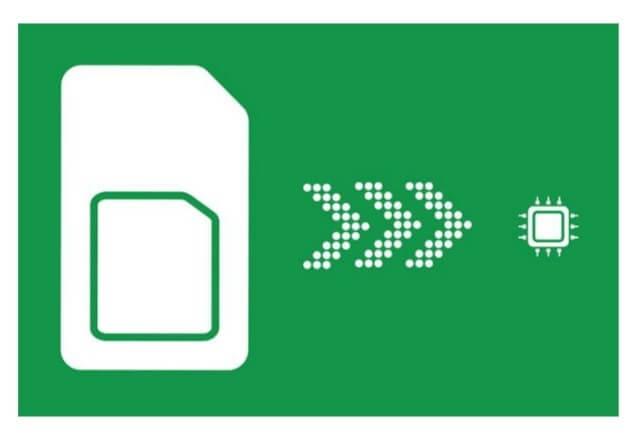
For pre-travel setup, you will typically receive a QR code from your eSIM provider via email or within their app. Scanning a QR code using your phone’s camera instantly installs the eSIM profile onto your device. If you prefer not to scan, the provider’s app often offers a direct «install via app» button, which handles all credentials automatically. Ensure you are connected to Wi-Fi during this process, as it requires a data connection to download the profile. After installation, label the new line clearly in your settings to avoid confusion with your primary number while abroad.

Activating your data plan while still at home
Activating your data plan while still at home is a smart way to avoid landing abroad without service. After purchasing your eSIM, install the profile over Wi-Fi before your trip. Most providers let you set the activation date for when you need it, or you can manually switch on the plan later. To test it, keep your home SIM active initially—your eSIM will simply wait. This pre-trip step saves fumbling with airport Wi-Fi or stores upon arrival, ensuring you’re connected the second you step off the plane. Just confirm your device settings allow the eSIM to enable without roaming charges until you leave.
Managing Connectivity Across Different Destinations
The train from Paris to Milan became a seamless blur of data plans, not borders. My eSIM, pre-loaded with a global plan, switched from France to Italy without a manual network search. Managing connectivity across different destinations meant I didn’t have to buy a new local SIM in every city. The real trick? How do you avoid accidentally draining a global plan on a long layover? I simply activated a separate regional eSIM tier for that leg, pausing the main plan via the provider’s app, ensuring each destination used only the data I intended for it. This layered control turned a multi-country trip into a single, manageable data experience.
Switching between local and international profiles
Switching between local and international eSIM profiles requires navigating the device’s settings menu, typically under «Cellular» or «Mobile Data.» A traveler can designate one profile for data while keeping another active for calls or SMS, enabling simultaneous access to a local high-speed plan and a home-country number. Profile prioritization determines which eSIM handles internet traffic. A clear sequence for switching is:
- Open the device’s eSIM management section.
- Select the desired profile for cellular data.
- Toggle the other profile to «On» for voice or SMS, if needed.
- Verify that only the intended data profile is active to avoid accidental roaming charges.
This direct toggling prevents connection conflicts and ensures cost-effective connectivity.
Monitoring data usage through a mobile dashboard
With an eSIM, monitoring data usage through a mobile dashboard provides real-time visibility into your consumption. The interface displays current data used, remaining allowance, and session duration for each active profile. You can set automatic data usage alerts to prevent unexpected overages, and review historical logs by date or destination. Some dashboards show per-app consumption, helping you identify data-heavy services. This live tracking allows you to adjust behavior, such as switching to local networks or reducing streaming, before exhausting your plan.
A mobile dashboard gives travelers precise, real-time control over their eSIM data consumption across different destinations.
Troubleshooting common connection issues abroad
When abroad, if your eSIM fails to connect, first ensure that data roaming is enabled in your device settings and that the correct eSIM line is selected for mobile data. If speeds are slow, manually select a different network operator from the available list within your settings. For persistent issues, toggle Airplane Mode on and off to force a network re-registration. A simple device restart often resolves activation delays or profile loading errors.
- Verify the eSIM profile is installed and active in your carrier settings.
- Check for carrier settings updates under General > About (iOS) or Network settings (Android).
- Contact your eSIM provider’s support via Wi-Fi if local networks remain unavailable.
Hidden Benefits Beyond Simple Data Access
Beyond the relief of instant connectivity, an eSIM offers the hidden benefit of digital identity preservation. When you travel, your home number stays active on the physical slot, keeping two-factor authentication and banking alerts flowing without disruption. You no longer fumble with a dead primary SIM while waiting for a transfer code. Another subtle advantage is network redundancy in real-time; if one local provider’s signal thins during a mountain hike, your eSIM can toggle to a secondary profile on the same device. The quiet psychological shift is that your phone remains a familiar anchor, not a foreign tool. This layered control turns a data connection into a seamless extension of your daily life, protecting your core digital functions while you explore. The true gain is continuity, not just gigabytes.
Keeping your home number active for bank verification
While roaming, your primary SIM might lose signal, locking you out of critical banking apps. Keeping your home number active for bank verification circumvents this by allowing SMS-based two-factor authentication to still reach your dormant line. Many eSIM providers bundle a virtual home number service, letting you receive these verification codes without a physical SIM slot. How does this work without an active cellular signal? The service forwards SMS data over your eSIM’s data plan, so your bank’s text arrives seamlessly, whether you’re in a café or on a mountain trail.
Using dual-SIM features for work and personal lines
Using dual-SIM features while traveling transforms your phone into a command center by splitting work and personal lines on one device. You can keep your work eSIM active for urgent emails and Slack, while your personal line stays open for local apps and weekend photos. This setup lets you toggle work notifications off after hours without swapping cards or juggling two phones. The practical dual-SIM strategy includes assigning a separate ringtone to each line, so you instantly know if it’s a client or a friend.
- Respond to work calls using your business eSIM without revealing your personal number
- Use work data for VPN-secure tasks, leaving personal data for maps and social media
- Set a call-forwarding rule to send work calls to voicemail during personal downtime
- Manage budgets by topping up the work eSIM separately from your travel plan
Environmental perks of eliminating plastic SIM cards
Switching to an eSIM for travel directly reduces plastic waste. Each physical SIM card is a non-biodegradable piece of plastic, often discarded after a single trip. By eliminating these cards, you cut down on manufacturing emissions and landfill accumulation. Lowering your travel carbon footprint becomes effortless, as there is no packaging to throw away. The environmental perks follow a clear sequence:
- No plastic card is produced, saving raw materials.
- No transport emissions occur from shipping physical cards globally.
- Zero plastic waste enters ecosystems at your destination.
This shift makes every journey inherently less polluting.
What Exactly Is a Travel eSIM and How Does It Work?
